- englishmanor
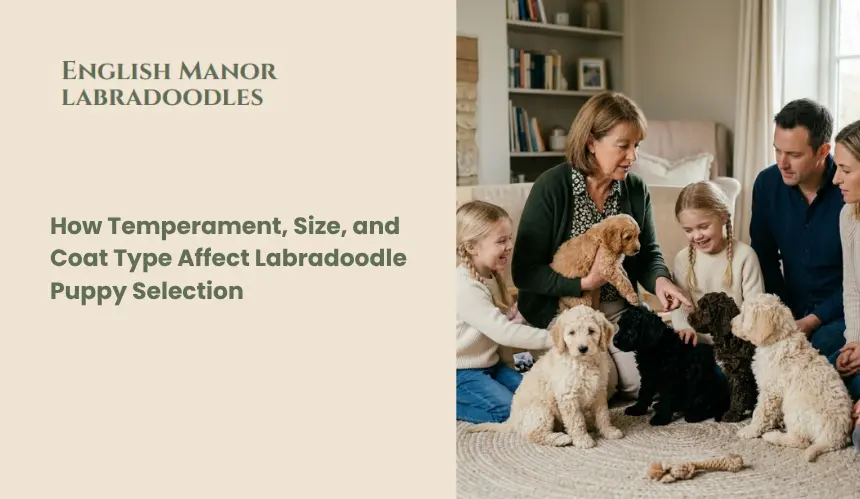
How Temperament, Size, and Coat Type Affect Labradoodle Puppy Selection
Choosing a Labradoodle puppy involves more than visual appeal or breed popularity. Labradoodles vary widely in temperament, adult size, and coat characteristics, all of which directly influence daily care, household compatibility, and long-term satisfaction.
Buyers researching how to buy Labradoodle Puppies in NJ often underestimate how these traits interact with lifestyle, space, and expectations. Understanding these variables before selection helps ensure the puppy’s needs align with the home environment, reducing future challenges related to behavior, maintenance, and adaptability.
Understanding Temperament Differences in Labradoodle Puppies
Temperament is one of the most important factors influencing how a Labradoodle integrates into a household. While Labradoodles are generally known for friendly, social traits, individual puppies can vary significantly based on genetics, early handling, and parental temperament.
How Temperament Affects Daily Interaction
Temperament influences how a puppy responds to training, unfamiliar environments, and household routines. Some Labradoodle puppies display calm, observant behavior, while others are more energetic and outgoing. A puppy’s natural confidence level affects adaptability, making temperament a critical consideration for families with children, frequent visitors, or structured schedules.
Matching Temperament to Lifestyle Needs
Households with active lifestyles may benefit from puppies that exhibit higher energy and enthusiasm for engagement, while quieter homes often prefer more relaxed temperaments. Selecting a temperament aligned with daily activity levels helps prevent behavioral frustration, anxiety, or overstimulation as the puppy matures.
How Adult Size Influences Care and Living Arrangements
Labradoodles can mature into different size categories depending on breeding lines, making size an essential factor in selection. Size influences space requirements, exercise needs, and long-term physical management.
Small, Medium, and Larger Labradoodle Size Expectations
Smaller Labradoodles typically adapt more easily to limited living spaces and require less physical exertion, while larger Labradoodles need more room and structured activity. Understanding expected adult size helps buyers plan appropriate exercise, feeding routines, and space requirements.
Size Considerations for Families and Housing
Larger dogs may unintentionally overwhelm small children or compact spaces, while smaller dogs may not suit families seeking more physically robust companions. Matching the expected size to the household layout and family dynamics supports safer, more comfortable interactions over time.
The Role of Coat Type in Long-Term Maintenance
Labradoodle coats vary significantly in texture, density, and shedding tendencies due to genetic differences. Coat type directly affects grooming frequency, matting risk, seasonal upkeep, and allergy management within the household. Maintenance requirements are not occasional tasks but ongoing responsibilities that influence time commitment, grooming costs, and overall dog comfort. Understanding coat characteristics early helps buyers prepare realistically for the level of care required as the puppy matures.
Curly, Wavy, and Straight Coat Variations
Curly coats are often preferred for their lower shedding, but they require consistent brushing and regular professional grooming to prevent tight matting near the skin. Wavy coats typically offer a balance between appearance and manageability, requiring moderate upkeep to avoid tangles. Straighter coats may shed more consistently and require less frequent trimming but still need routine brushing. Each variation carries different time, effort, and cost implications that influence long-term maintenance planning.
Grooming and Allergy Considerations
Buyers with allergy sensitivities often focus on coat type, but no Labradoodle coat is entirely hypoallergenic or maintenance-free. Dander, saliva, and environmental allergens still accumulate without proper grooming routines. Understanding brushing frequency, bathing needs, and professional grooming schedules before selection helps prevent long-term frustration. Consistent coat care also supports skin health and comfort as the puppy grows into adulthood.
How These Traits Interact Over Time
Temperament, size, and coat type function as an interconnected system rather than independent traits. As a Labradoodle matures, these characteristics affect daily routines, space requirements, training demands, and care needs. A mismatch in one area often amplifies challenges in another, making it essential to consider how all three traits interact throughout the dog’s lifespan rather than evaluating them in isolation during puppy selection.
Balancing Energy, Space, and Maintenance
A high-energy Labradoodle with a larger adult size and a high-maintenance coat requires substantial daily engagement, grooming time, and physical space. Without proper planning, these combined demands can overwhelm households. Buyers benefit from evaluating how energy levels align with available time, how size fits living arrangements, and whether grooming commitments are manageable alongside daily responsibilities.
Supporting Long-Term Compatibility
When temperament, size, and coat type align with lifestyle expectations, Labradoodles typically adapt more smoothly to training, household routines, and environmental changes. This alignment reduces stress-related behaviors and supports emotional stability. Thoughtful selection promotes long-term compatibility, creating a balanced relationship in which both the dog and the household can thrive over time.
Common Misalignment Issues Buyers Encounter
Many challenges experienced by Labradoodle owners stem from early decisions based on assumptions rather than informed evaluation. Misalignment often appears gradually as puppies mature, making early education essential. Recognizing common pitfalls helps buyers avoid preventable issues related to behavior, maintenance, and lifestyle strain that can affect both dog welfare and owner satisfaction.
Choosing Based on Appearance Alone
Visual appeal often overshadows practical considerations, including grooming frequency, coat maintenance, and energy requirements. Puppies selected primarily for looks may later require more time, training, or maintenance than expected. This misalignment can lead to neglected grooming, behavioral frustration, or disappointment as the dog grows, underscoring the importance of prioritizing function over appearance.
Underestimating Growth and Activity Needs
Some buyers underestimate how quickly Labradoodles grow or how much daily physical and mental stimulation they require. Puppies that appear manageable at first may mature into active, larger dogs needing structured exercise and engagement. Failing to plan for growth and energy levels can strain living spaces, schedules, and training consistency over time.
Preparing for an Informed Puppy Selection

Successful Labradoodle puppy selection begins with preparation and education, not urgency or impulse. Taking time to understand breed traits, lifestyle compatibility, and long-term responsibilities reduces the likelihood of future challenges. Informed selection supports smoother transitions and more realistic expectations for both the household and the puppy.
Asking the Right Questions Before Selection
Understanding parent temperament, projected adult size, coat tendencies, and early socialization practices allows buyers to make informed decisions. Asking detailed questions helps clarify expectations and ensures transparency during the selection process. This approach reduces surprises and supports a clearer understanding of what daily life with the puppy will involve.
Aligning Expectations With Long-Term Responsibility
Labradoodles are long-term companions that require consistent care, training, and engagement throughout their lives. Selecting traits that align with lifestyle capacity supports a healthier, more sustainable relationship. Realistic expectations improve the overall experience for both the dog and the household, reducing stress and enhancing long-term satisfaction.
Frequently Asked Questions
Do Labradoodle puppies change temperament as they grow?
Temperament evolves with maturity, but early traits often remain consistent when properly supported.
Can coat type change as the puppy matures?
Yes. Puppy coats often transition, making early understanding necessary.
Is size predictable in Labradoodle puppies?
Size can be estimated based on parent lineage, but is never exact.
Are calmer Labradoodles easier to train?
Calmer dogs may focus better, but training success depends on consistency.
Does coat type affect grooming costs?
Yes. Curly coats generally require more frequent professional grooming.
Making Confident and Informed Labradoodle Puppy Choices
Selecting a Labradoodle puppy is most successful when temperament, size, and coat type are evaluated together rather than in isolation. These traits shape daily interaction, long-term care requirements, and overall compatibility with a household’s lifestyle. Buyers who prioritize informed selection reduce the likelihood of future challenges and build stronger, more balanced relationships with their dogs. In the region, breeders such as English Manor Labradoodle emphasize thoughtful matching practices to help ensure puppies are placed in environments where they can thrive long term.